
How NBA Injuries Impact Prop Bets: Complete Analysis Guide
 Available in US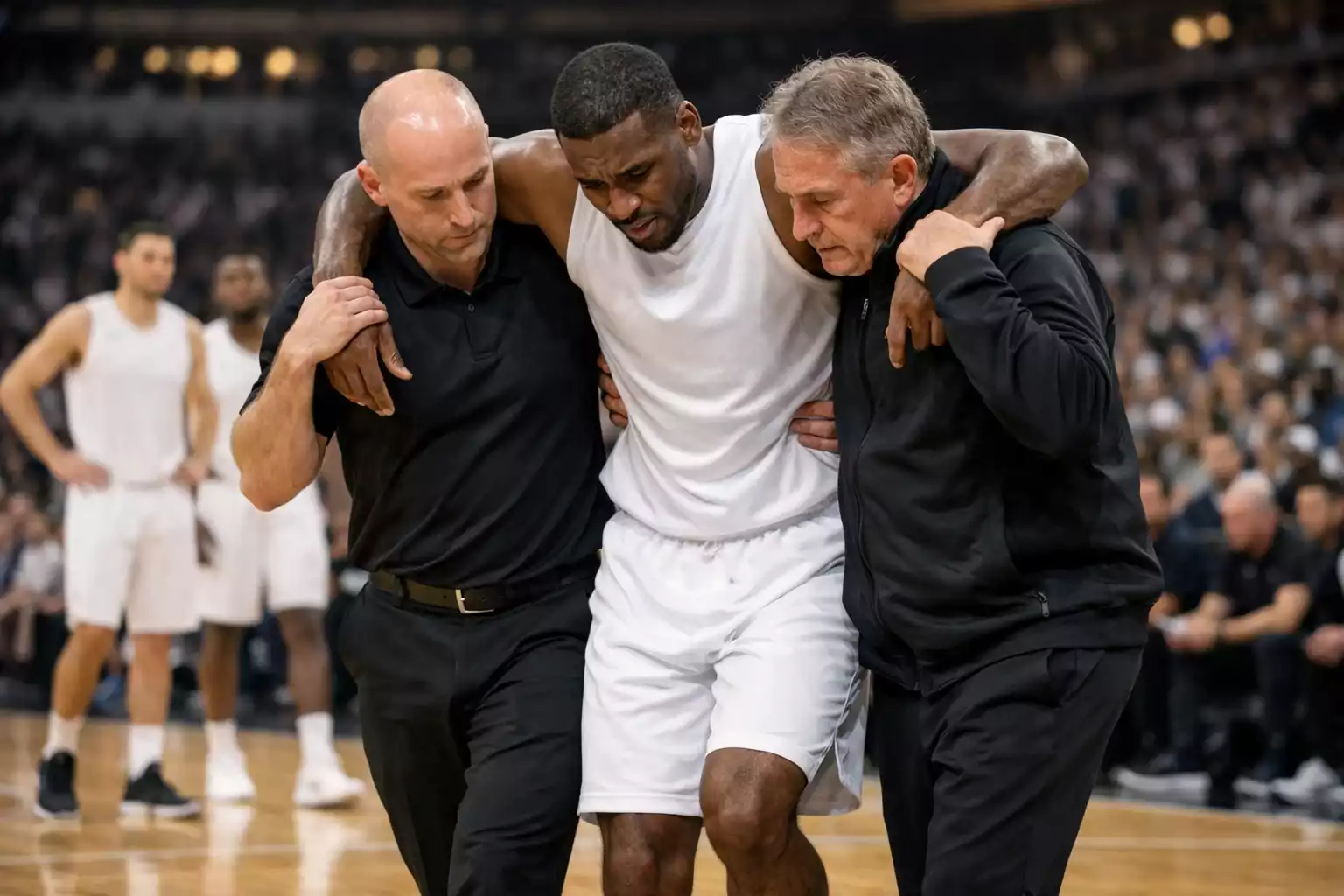
Table of Contents
- How Injuries Affect Player Props
- Reading NBA Injury Reports
- Star Player Injuries
- Role Player and Rotation Changes
- Betting Against Injured Teams
- Late Scratch Strategy
- Rest Days and Load Management
- Tools for Injury Analysis
- What Happens When Your Player Gets Injured
- Building an Injury Analysis Process
- Capitalizing on the Unpredictable
Injuries create some of the most profitable opportunities in NBA prop betting. When a player goes down, the ripple effects spread across his entire team, altering minutes distributions, shot attempts, and statistical opportunities for everyone in the rotation. Sportsbooks adjust their lines to account for these changes, but the adjustments are often imprecise because the cascading effects of injuries are difficult to quantify in advance. Bettors who understand how injuries reshape team dynamics can identify mispricings before the market corrects.
The information edge in injury analysis comes from moving faster and thinking more systematically than the average bettor. Most recreational gamblers either ignore injury news entirely or react to headlines without considering the second-order effects. When a star point guard misses a game, casual bettors might fade his replacement’s props without considering that another guard on the roster might absorb the playmaking duties instead. This surface-level thinking creates opportunities for those who dig deeper into how specific absences actually affect specific teammates.
This guide provides a comprehensive framework for analyzing NBA injuries and their impact on prop betting markets. You will learn how to read injury reports effectively, identify which teammates benefit most from specific absences, exploit late scratch situations, and navigate the peculiarities of load management in the modern NBA. Injuries are unpredictable, but their effects follow patterns that informed bettors can anticipate and profit from.
How Injuries Affect Player Props
The direct impact of an injury on the affected player’s props is obvious: if he does not play, his props are typically voided. The more interesting analytical challenge lies in understanding how that absence affects everyone else on the roster. Minutes, touches, and shot attempts must go somewhere, and predicting where they flow determines whether value exists on teammate props.
Usage rate shifts provide the clearest framework for understanding injury impact. When a high-usage player misses time, his share of team possessions redistributes among remaining players. A player who normally uses 25 percent of possessions while on the floor represents a massive void when absent. That usage does not disappear. It flows to other players, primarily those who share similar roles or possess the skills to absorb additional responsibility. Tracking historical usage patterns when specific players have missed games reveals which teammates typically benefit most.
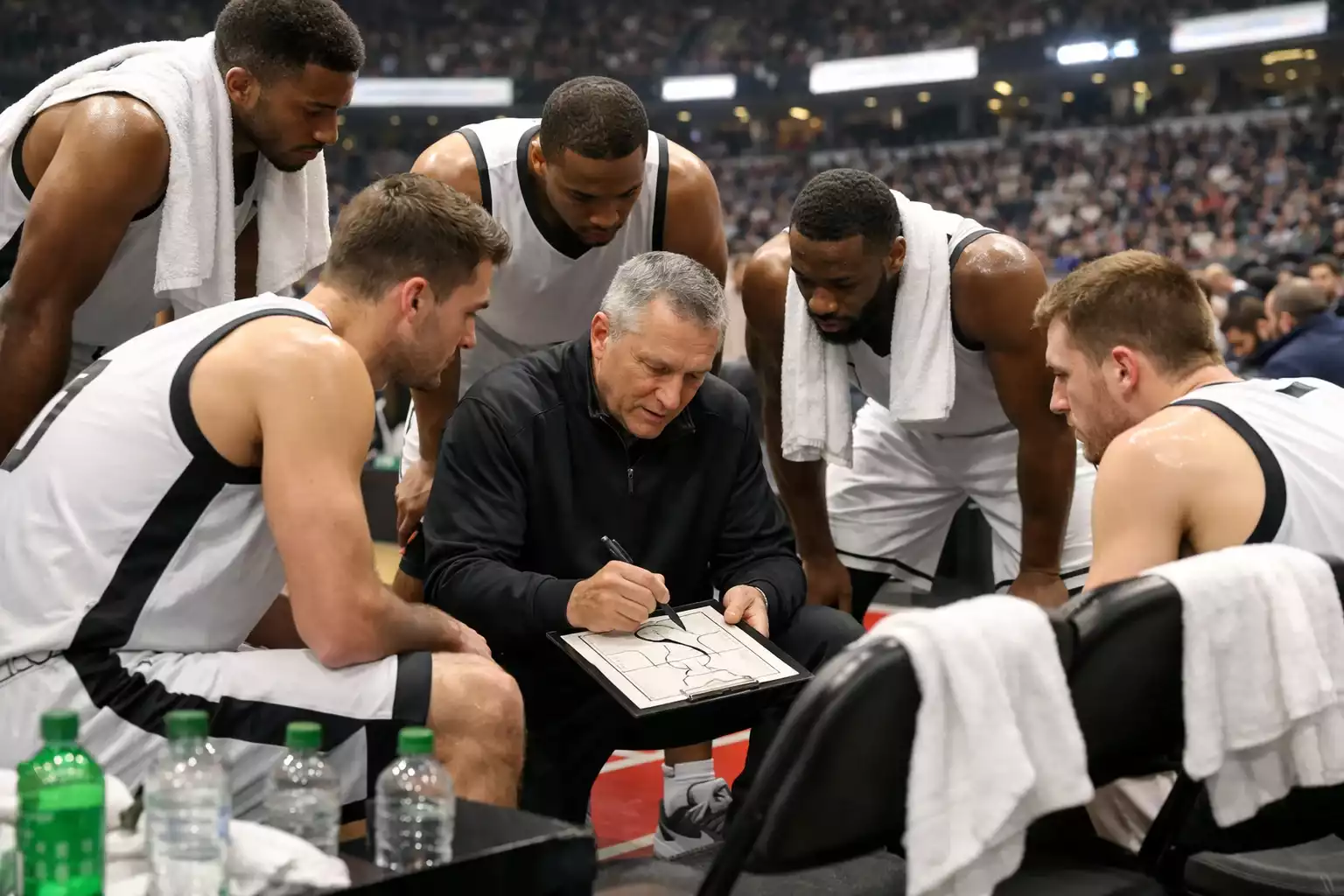
Minutes distribution changes compound the usage effect. The injured player’s minutes must be filled, meaning someone plays more than usual. This might be the obvious backup at that position, but it could also involve shifting rotations in ways that give unexpected players extended run. A wing injury might lead to more three-guard lineups, boosting guard minutes across the board. A center injury might mean a power forward plays significant time at the five, changing his rebounding and scoring opportunities. Understanding how coaches adjust rotations to injury situations is essential for projecting minute distributions accurately.
Historical patterns after injuries provide valuable data for projecting future impacts. When a specific star has missed games in the past, which teammates saw the largest statistical bumps? These patterns tend to repeat because they reflect team structure and coaching philosophy rather than random variation. If a secondary scorer consistently saw his points prop hit the over when the primary scorer was absent, that pattern likely continues in future absences. Building a database of injury impact patterns for teams and players you bet on frequently creates analytical edge that most bettors lack.
Reading NBA Injury Reports

Official injury designations follow a standardized system that communicates probability of playing without guaranteeing outcomes. Understanding these designations helps you interpret how likely a player is to suit up and how confident sportsbooks are in their projections. The main categories range from out, meaning the player will definitely not play, through doubtful, questionable, probable, and available, each reflecting decreasing uncertainty about participation.
The timing of injury updates creates both challenges and opportunities for bettors. Teams must submit injury reports at specified times before games, but updates can occur afterward as new information emerges. A player listed as questionable on the morning report might be upgraded to probable by afternoon or downgraded to out shortly before tip-off. Monitoring these updates allows you to act on information before lines fully adjust, but it also means your earlier analysis might become obsolete as the situation evolves.
Sources for real-time injury news extend beyond official team reports. Beat reporters covering specific teams often have inside information about player status that emerges before official announcements. Team social media accounts sometimes hint at lineup changes. National reporters with league-wide sources occasionally break injury news ahead of team confirmations. Building a network of reliable information sources gives you earlier access to actionable intelligence than bettors who rely solely on official channels.
Interpreting game-time decisions requires reading between the lines of official statements. When a team says a player is a game-time decision, they are acknowledging genuine uncertainty about participation. However, some teams use this designation more conservatively than others. A franchise known for cautious injury management might list a player as questionable when he is almost certain to play, while another team might push players through questionable designations into games where they probably should rest. Learning team-specific tendencies in injury reporting improves your ability to project actual participation likelihood.
Star Player Injuries
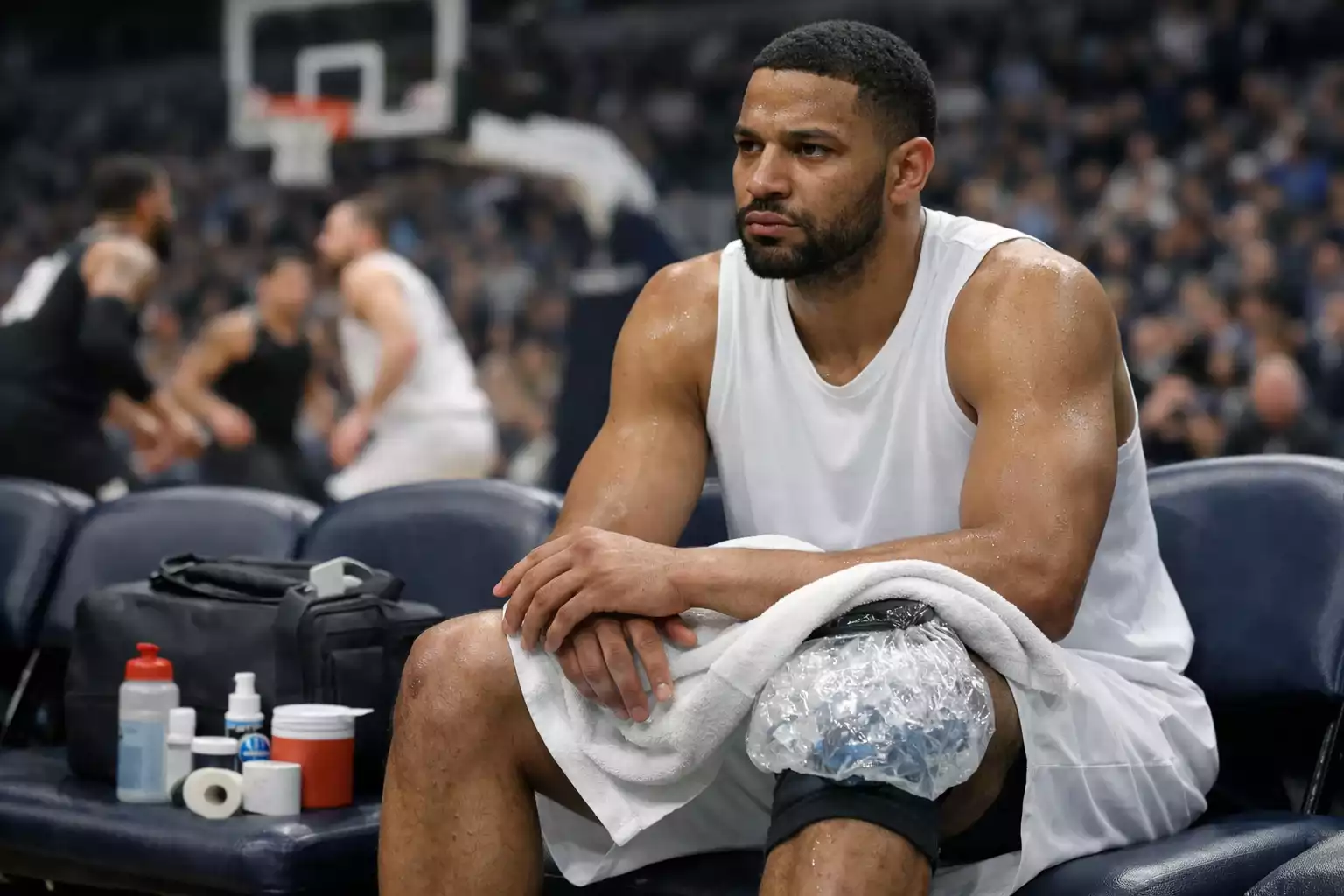
When a star player misses time, the effects cascade through every aspect of team performance. Offensively, his scoring, playmaking, and gravity that attracts defensive attention all disappear. Teammates who benefited from his presence must adjust to increased defensive focus. The entire team’s offensive efficiency typically declines, but within that decline, certain players see expanded individual opportunities that can boost their raw statistical outputs even as the team struggles.
Identifying the biggest beneficiaries of a star absence requires understanding offensive hierarchy and skill sets. The next-best offensive player usually absorbs the largest share of additional usage, but not always proportionally. If the absent star was a point guard, the backup point guard and secondary playmakers both see expanded roles. If the absent star was a scoring wing, other perimeter players might benefit more than big men. The redistribution follows the team’s offensive structure and the capabilities of remaining players.
Historical case studies illuminate recurring patterns in star absence situations. When specific superstars have missed games, certain teammates consistently outperform their normal props. A second option who averages 18 points might consistently hit 24 when the first option sits. A role player who normally defers might suddenly assert himself with increased shot attempts. Tracking these historical patterns creates a playbook for how to bet when similar absences occur in the future.
Adjusted expectations by position vary because different positions affect team dynamics differently. A missing point guard typically creates the largest playmaking void, boosting assist props for whoever assumes primary ball-handling duties. A missing center affects rebounding distribution more than perimeter statistics. A missing wing scorer shifts shot attempts without necessarily changing how the offense is initiated. Understanding position-specific effects helps you target the props most likely to see meaningful changes rather than betting randomly on teammates.
Role Player and Rotation Changes
Role player injuries receive less attention than star absences but can create equally profitable betting opportunities. When a key rotation player misses time, his minutes flow to someone further down the depth chart. These replacement players often have softer prop lines because sportsbooks set their numbers based on limited playing time samples. A bench player averaging 8 points in 15 minutes might suddenly see 28 minutes with the rotation shortened, making his points over significantly more attractive.
Depth chart movements follow predictable patterns that bettors can anticipate. The backup at the injured player’s position typically receives the first call for additional minutes, but coaches also adjust by playing certain lineups more frequently or extending the minutes of players at adjacent positions. A power forward injury might mean the small forward plays significant minutes at the four, a wing injury might lead to more three-guard lineups, and a guard injury might see a combo forward handle the ball more. Understanding these positional adjustments helps you identify non-obvious beneficiaries.
The minutes threshold for meaningful prop impact sits around five to eight additional minutes for most statistical categories. A player gaining three extra minutes might not see meaningful statistical bumps because the sample is too small within a single game. But a player jumping from 20 minutes to 30 minutes sees a 50 percent increase in opportunity, which typically translates to proportionally higher statistical output. When projecting injury impacts on role players, focus on situations where the minutes increase is substantial enough to move props beyond their standard lines.
When backups become starters, their props often lag behind their new opportunity level. Sportsbooks adjust lines based on historical data, but that data reflects the player’s bench role rather than his new starting position. A backup center who has averaged 6 rebounds in 18 minutes might see his line set around 7.5 when he starts, but with 32 minutes of playing time, he has realistic upside to 10 or more rebounds. This adjustment lag creates windows where backup-turned-starter props offer substantial value before the market fully prices in the expanded role.
Betting Against Injured Teams
Team props shift when key players miss games, creating opportunities on both sides of the betting market. A team missing its best scorer might see its team total drop by several points, reflecting expected offensive struggles. However, these adjustments sometimes overcorrect or undercorrect depending on how the market perceives the injury impact. Analyzing whether the adjustment matches the actual expected impact reveals whether value exists on team props.
Defensive vulnerabilities emerge when teams lose key defensive players. A missing rim protector exposes the paint to opponent attacks, potentially boosting opposing big men’s scoring and the opponent’s team total. A missing perimeter defender might create advantageous matchups for the other team’s guards and wings. These defensive absences create opportunity on opponent props that might not immediately come to mind when analyzing injury situations.
Pace and scoring environment changes often accompany injuries to key players. A team missing its primary ball handler might play faster or slower depending on how the backup runs the offense. A team missing its best rebounder might allow more second-chance points, inflating game totals. A team missing defensive personnel might surrender more points but also play with more pace to compensate offensively. These environmental shifts affect not just team props but also individual props for players on both teams.
Opposition boost opportunities arise when facing depleted rosters. If a team is missing multiple rotation players, opponents face easier matchups across the board. Opposing stars might see expanded statistical opportunities against weaker defenders. Even role players might benefit from mismatches created by the absence of typical defensive assignments. Thinking about injuries from the opponent’s perspective opens up betting angles that focus solely on the injured team overlooks.
Late Scratch Strategy
Late scratches occur when players are ruled out shortly before game time, sometimes within an hour of tip-off. These situations create maximum market inefficiency because sportsbooks must adjust numerous lines rapidly while bettors have limited time to analyze the implications. Having a pre-established framework for how specific absences should affect teammate props allows you to identify value quickly and act before lines settle into efficient pricing.
Monitoring pregame reports requires consistent attention during the hours before games begin. Setting alerts for injury news, following team beat reporters on social media, and checking official injury report updates helps you learn about late scratches as quickly as possible. The first bettors to act on late scratch news often get the best lines before sportsbooks fully adjust. Speed matters in these situations, but speed without analytical preparation leads to hasty mistakes.
Quick line movement analysis helps you assess whether the market has already priced in the late scratch. If lines move immediately after news breaks, other sharp bettors have likely already acted, and the remaining value might be minimal. If lines remain unchanged or move only slightly, the market might be underreacting, creating opportunity. Watching how quickly and how much lines move provides real-time feedback about whether value remains.
Live betting opportunities emerge when late scratches are announced after games have already started or when pregame scratches were not fully incorporated into live lines. Some sportsbooks are slower than others to adjust live markets to injury news, creating brief windows where live props offer better value than pregame lines did. If you missed the pregame window, live betting might still allow you to capitalize on the injury impact before odds fully reflect the new reality.
Managing late information requires balancing speed with accuracy. Acting on unconfirmed rumors can lead to betting on false news, while waiting for official confirmation might mean missing the best lines. Developing trusted sources whose information has proven reliable over time helps you navigate this tradeoff. When a reporter with a strong track record says a player is out, acting on that information before official confirmation often makes sense. When the source is less established, waiting might be wiser despite the risk of worse lines.
Rest Days and Load Management
Load management has become a defining feature of modern NBA roster management, creating unique challenges and opportunities for prop bettors. Teams strategically rest healthy players, particularly during back-to-back game situations or late in the regular season when playoff positioning is secure. These planned absences differ from injuries because they are often predictable if you understand team tendencies and pay attention to the right signals.
Back-to-back situations represent the most common load management scenario. Veteran stars and players with injury histories frequently sit the second game of a back-to-back, especially during road trips or when the following game is against a weaker opponent. Tracking which players have historically sat back-to-backs and which teams prioritize rest helps you anticipate these absences before they are officially announced. Some stars sit nearly every back-to-back while others almost never do, and these patterns tend to remain consistent within seasons.
Planned rest patterns extend beyond back-to-backs for certain players and teams. Some franchises rest stars against specific opponents or in specific situations regardless of schedule density. Load management might increase as teams clinch playoff positions and prioritize health over regular season wins. Understanding these broader patterns helps you project rest days that other bettors might not anticipate.
Fantasy versus betting implications differ when it comes to rest days. Fantasy players care primarily about whether their player suits up, making rest days purely negative. Bettors can profit from rest days by betting on teammates who benefit from expanded roles. This distinction means that news concerning rest days creates opportunity in prop markets even though it creates frustration for fantasy managers. A star resting might be neutral or even positive for your betting portfolio if you have positioned yourself correctly.
Seasonal fatigue factors become increasingly relevant as the season progresses. Players who have logged heavy minutes or played through minor injuries often see reduced production late in the season even when they do play. Their props might remain calibrated to full-season averages that no longer reflect current performance levels. Tracking minute loads and identifying players likely to experience late-season decline helps you find unders on fatigued players whose lines have not adjusted to diminished production.
Tools for Injury Analysis
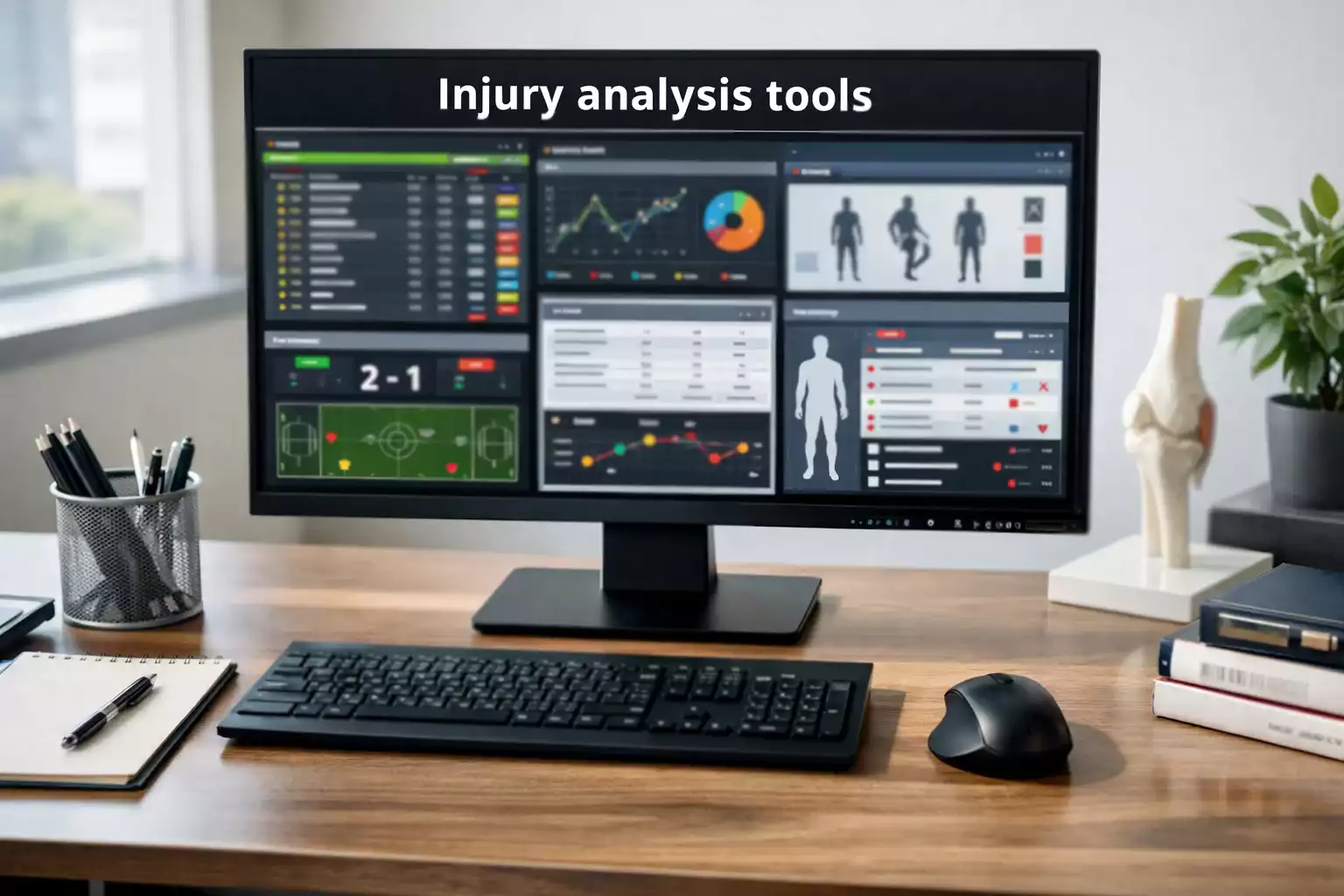
Injury tracking websites aggregate health information across the league, providing centralized resources for monitoring player status. These platforms compile official injury reports, track historical injury patterns, and sometimes offer projections about return timelines. Bookmarking reliable injury aggregation sites and checking them as part of your daily betting routine ensures you do not miss important health updates that affect your prop analysis.
Twitter and social media monitoring remains essential for real-time injury news despite the noise that characterizes these platforms. Team beat reporters often break injury news before official announcements, and national reporters with league sources provide information that moves markets. Creating curated lists of reliable reporters and setting notifications for their posts helps you filter signal from noise and receive actionable injury information quickly.
Team beat reporter follows provide the deepest insight into specific team injury situations. These reporters attend practices, have relationships with team staff, and understand the context behind official injury designations. Following beat reporters for teams you bet on frequently gives you information advantages that national coverage cannot match. When a beat reporter says a player looked good in practice, that observation carries more weight than generic injury report language.
What Happens When Your Player Gets Injured
Sportsbook policies for injured players vary, but most follow similar general principles. If a player is ruled out before the game begins and does not take the floor, props on that player are typically voided and stakes returned. If a player enters the game but exits due to injury before accumulating meaningful statistics, policies differ by sportsbook. Some grade bets as losses regardless of circumstance, while others void bets if the player fails to meet a minimum participation threshold.
Partial game participation rules specify how sportsbooks handle players who play limited minutes due to in-game injuries. Most books require a player to log a certain number of minutes or complete a certain portion of the game for his props to be graded. If a player leaves after five minutes with a sprained ankle, some books void his props while others grade them as losses. Understanding your sportsbook’s specific rules helps you manage risk and know what to expect when injuries occur during games.
Reading sportsbook terms before betting protects you from unpleasant surprises. Each platform publishes rules governing how they handle injuries, early exits, and other unusual situations. These rules are not standardized across the industry, so assumptions based on one sportsbook’s policies might not apply elsewhere. Taking time to read the fine print ensures you understand the risks you are accepting with each wager.
Building an Injury Analysis Process
A daily routine for injury checks should become second nature for serious prop bettors. Before placing any bets, review the official injury reports for games you are considering. Check beat reporter updates for additional context. Monitor social media for breaking news that might not yet appear on aggregation sites. This routine takes only a few minutes but dramatically reduces the risk of betting on outdated information.
Creating opportunity watchlists helps you capitalize when anticipated injuries materialize. If a star player is dealing with a nagging injury that might cause him to miss games, identify which teammate props would offer value in his absence. When the absence is confirmed, you can act immediately with a pre-formed thesis rather than scrambling to analyze on the fly. Preparation transforms injury news from something you react to into something you profit from.
A systematic approach to injury betting means treating injury analysis with the same rigor you apply to other aspects of prop betting. Track how injuries affect specific players and teams. Record your injury-based bets and their outcomes. Analyze whether your injury projections prove accurate over time. This data-driven approach helps you refine your injury analysis and identify where your assumptions need adjustment.
Capitalizing on the Unpredictable
Injuries are inherently unpredictable, but their effects on team dynamics and individual statistics follow recognizable patterns. Bettors who study these patterns, build frameworks for rapid analysis, and maintain systematic routines for monitoring injury news can extract consistent value from situations that confuse or frustrate less prepared competitors.
The key is treating injury analysis as a skill to develop rather than a problem to avoid. Every injury creates both challenges and opportunities. The challenge is updating your analysis to reflect new information. The opportunity is finding mispricings where the market has not fully incorporated the injury’s implications. Embracing this dual nature of injuries positions you to profit regardless of who happens to get hurt on any given night.
Build your injury analysis capabilities alongside your other prop betting skills. Track which types of injury situations you analyze well and which confuse you. Learn the injury tendencies of teams and players you bet on frequently. Develop reliable information sources and efficient monitoring routines. Over time, injury analysis will become a competitive advantage that generates consistent edge in markets where most bettors react emotionally rather than analytically.
Recommend
Published by the nbapropbets.com team.
